Profile view of a bearded man wearing a dark green baseball cap and a dark gray T-shirt against a plain light background.

How to restart a furnace after a Delaware power outage

RepairFurnace or heatingDelaware
Step 1 of 2

What ZIP code is the job in?

Most gas furnaces will fire back up on their own once power returns, since the thermostat and igniter just need electricity to start the cycle again. Give it a few minutes. If the blower runs but no heat comes out, or the furnace stays dead, the problem is usually the igniter, the control board, or the pilot if yours has one, not needing a fresh spark from somewhere. Some furnaces need the switch at the unit or the breaker it runs on cycled off and back on before they'll respond at all. If yours still won't start, or it starts and then shuts off again, that's a sign something failed during the outage itself, a power surge is a common cause, and it won't fix itself by waiting longer. In Delaware, with most homes heating on gas, getting it sorted quickly matters more in the cold months than the mild ones.

A gray furnace cabinet in a basement with sheet-metal ductwork, white PVC vent pipes, and black gas piping against a concrete wall and wood-framed partition on a bare concrete floor.
Power comes back, the thermostat calls for heat, and the furnace lights on its own within a few minutes.
A gray metal furnace with two white PVC vent pipes stands on a concrete floor beside galvanized sheet-metal ductwork in a basement or utility space with wood framing.
Power's back but the furnace stays quiet, or the blower runs with no heat, and rust like this points to a part that failed, not a reset.

A gas furnace does not just switch back on when the power does. The inducer motor has to start first and prove it is clearing the vent before the hot surface igniter ever gets power. The control board runs its own short check too, so if the outage hit mid-cycle, the furnace starts that sequence over from scratch rather than picking up where it left off. If your thermostat has a screen or a schedule, check it. A long outage can wipe those settings, and the furnace won't call for heat until you've set the mode and temperature again. The gas valve works the same way. It closed when the power dropped, and it stays closed until the thermostat sends a fresh call for heat. A standing pilot furnace skips most of this, since that flame was burning the whole time the power was out. If yours tries to start and then quits a few seconds in, that's usually a safety switch doing its job, not a sign the restart failed.

What happens when power returns

  • Most gas furnaces use a hot surface igniter, and that part gets power only after the inducer motor proves it is pulling air through the vent.
  • The control board runs a short self-check every time power returns, so a furnace that was mid-cycle when the outage hit restarts that whole sequence from the beginning.
  • A thermostat with a screen or programmed schedule can lose its settings in a long outage and needs the heat mode and temperature reset by hand.
  • If the gas valve closed during the outage, the furnace needs a call for heat from the thermostat before it will open the valve again and let the igniter fire.
  • Furnaces with a standing pilot relight differently, since that flame was never tied to the power that went out in the first place.
  • A furnace that tries to start and shuts off again is usually stopping on a safety switch, not failing to restart at all.
A smiling man in a navy long-sleeve shirt sits at a wooden table in a kitchen and dining area, with a ceramic mug, a potted plant, and a sliding glass door behind him.
A smiling bearded man in a green henley shirt stands at a kitchen island with a gray mug, looking off to the side, with a dining area and shelves blurred behind him.
A smiling bearded man in a navy sweater sits at a white kitchen island with a ceramic mug, with open shelves, potted plants and a range hood behind him.
A smiling man in a dark olive long-sleeve shirt sits in a kitchen beside a counter with a dark mug, with a dining table, sideboard and hallway visible in the blurred background.

Why the delay before it fires

When power cuts out and comes back, the control board doesn't just pick up where it left off. It runs through its startup sequence again, the same one it runs on any cold start. The inducer motor has to spin up first and prove it's pulling air through the vent before the board will send power to the igniter. That takes a minute or two on its own. If the outage happened mid-cycle, the board may also run a short safety check before it lets the burners fire. None of this means anything is wrong. It's the furnace doing what it's built to do after any loss of power, not just a storm.

What a stuck furnace is telling you

A furnace that stays quiet after power returns, or runs the blower with no heat, has already finished that startup check and failed it somewhere. That's different from a furnace that just needs time. The inducer motor may not be proving draft, or the igniter itself may not be heating up even with power reaching it. Either one stops the sequence before gas is allowed to flow, which is why you get moving air but no warmth. Delaware runs hard on gas heat, and a furnace that won't restart after an outage usually had a part close to failing before the power ever went out.

An older metal furnace with a louvered front panel stands against a concrete basement wall, connected to sheet-metal ductwork and a flue pipe, with copper and steel pipes running alongside.
Before you get your furnace repair
A beige high-efficiency furnace stands on a concrete basement floor beside sheet-metal ductwork, with white PVC vent pipes and a gas line running along an insulated wood-framed wall.
After you get your furnace repair

It's off your list after this

Describe your furnace job once, to one pro.

No fee to send it, and nothing to sign.

What happens if it doesn't restart

A furnace that stays quiet after the power comes back isn't going to fix itself by waiting longer. Delaware winters don't let up for long, and a house with gas heat and no working furnace gets cold fast. If you've got a failed igniter or a control board that won't complete its self-check, that part stays broken until someone replaces it. Left alone, a blower that runs with no heat can mean a cracked heat exchanger, which is a safety problem, not just a comfort one.


What a quick check saves you

Catching this now, while the furnace is just refusing to start, is a smaller job than catching it after a part burns out from repeated failed cycles. You already deal with small problems before they turn into big ones, so you know the difference. A technician who gets called for a no-heat furnace can usually tell within minutes whether it's the igniter, the inducer motor, or the board itself, and fix the actual part instead of you guessing and replacing pieces one at a time.

Winter nights average 28°F statewide

At 28°F overnight, your house loses heat fast once the furnace stops firing. A short outage might not be enough to notice, but if yours doesn't restart, cold sets in well before morning.

NOAA nClimDiv 1991-2020 county normals weighted by homes

Call around after a bad outage and most places are already booked, you're working down a list of numbers while the house keeps losing heat.

Send the form here instead, and that search stops being your problem. Someone qualified gets matched to the job, and you're not the one chasing it down.

A man in a blue T-shirt sits on a light gray sofa, laughing while looking at an open laptop in the foreground, with a framed picture, lamp and potted plant behind him.
A bearded man in a blue and brown plaid flannel shirt stands indoors looking out a window at snow-covered trees, with a ceramic mug on the windowsill.
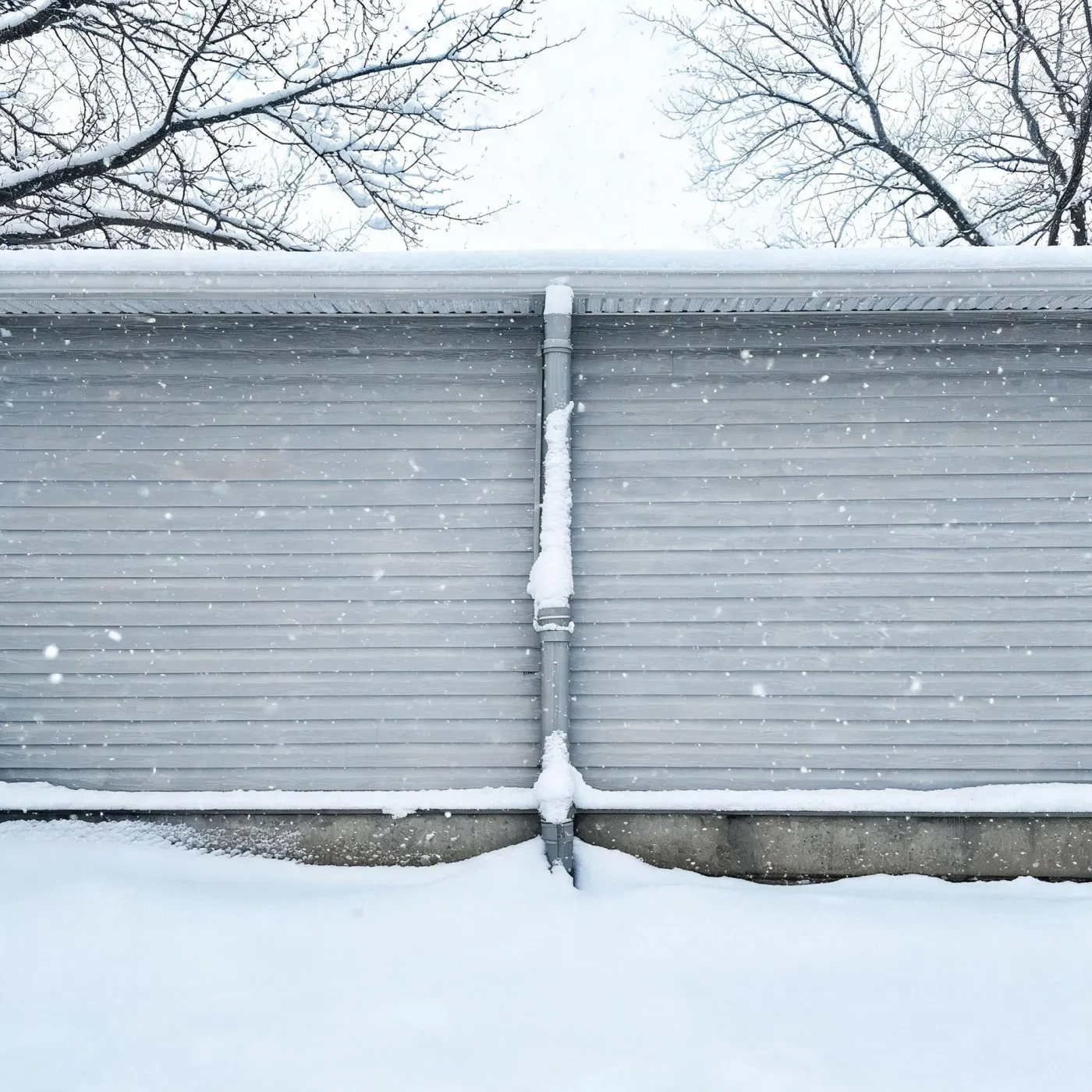
Exterior of a gray horizontal-lap-sided building with a snow-covered roof edge and a central downspout, seen during falling snow with deep snow on the ground and bare tree branches above.

Statewide, winter nights average 28°F, according to NOAA climate data. That's cold enough that a furnace sitting dead for even an hour or two after an outage lets a house give up real heat, not just a chill in one room. You'd notice it at the thermostat first, the number dropping instead of holding, then in the usual spots: floors near outside walls, the air by a window. Delaware doesn't get brutal cold often, but 28°F at night is enough to make a stalled furnace a problem by morning rather than a minor inconvenience. If power's back and the house still isn't warming up, that's the sign something didn't reset right.

NOAA nClimDiv 1991-2020 county normals weighted by homes

What To Try Before You Call

Try first

  • Set the thermostat a few degrees above room temperature and wait for the furnace to respond.
  • Check the breaker panel for a tripped switch tied to the furnace or air handler.
  • Look at the furnace door and make sure the panel is seated flush, since a loose one keeps it from running.
  • Check the condensate line and drain pan if your furnace has one, since a float switch there can block startup after an outage.
  • Press the reset button on the furnace once, located near the blower compartment on most units.

Call for repair

  • The blower runs but no warm air comes out after several minutes.
  • The furnace clicks or tries to light but shuts off again each time.
  • Nothing happens at all when the thermostat calls for heat, no blower, no sound from the burner.
  • You smell gas near the furnace or the vent pipe, which means the gas valve needs a technician before anything else.
  • The reset button trips again right after you press it, which points to a failed part rather than a stuck switch.
A dim unfinished basement with concrete walls, exposed floor joists, a small window, and a furnace connected to metal ductwork and PVC venting.

You go down to check on it around six, after the lights have been back on for a while. The basement is colder than it should be. The furnace sits there dark, no hum from the blower, no click of the igniter trying. A little dust hangs in the air near the cabinet, stirred up when you came down the stairs, catching the light from the bare bulb overhead. You set a hand on the ductwork near the plenum. Cold. Outside it's a November evening, the kind where 28°F is already settling in, and the house is quiet in the way it gets when nothing is running.

A closed dark laptop and a ceramic mug of coffee on a wooden dining table, with wooden chairs, a dark kitchen cabinet with cutting boards and a potted plant, and a leafy plant by a window in the background.

If it hasn't fired back up by now, it isn't going to

Power back, thermostat set, and still no heat means something inside the furnace didn't survive the restart. That's a part, not a fluke, and waiting another hour won't change what the control board already tried and failed to do. At 28°F overnight, that's not a problem to sit on.

Finding someone for this on your own means calling around after an outage has half of Delaware doing the same thing, explaining the same symptoms more than once, then sitting with quotes you can't really compare because nobody saw the furnace. Send the form instead and that part is done. A licensed contractor gets matched to the job, and from there it's their furnace to fix, not your search to run.

Interior corner with a beige sofa holding a dark green and a light cushion and a textured throw, a potted small-leaved tree beside a white-framed window, and a dark shallow bowl on a wooden coffee table in the foreground.
A dark wood cabinet with a paneled door and a ceramic pot of green foliage on top stands in a beige-walled room with white baseboard, a window at left, hardwood floor, and a patterned area rug.
A dark wood glass-front cabinet holding folded towels, woven baskets and a ceramic vase stands in a bathroom corner beside a window, with a potted fern and stacked towels on top and a freestanding tub partly visible at left.
A woven basket holding a green cushion and a cream fringed knit throw sits on a wood floor in a room corner beside a window and a dark wooden cabinet.
Corner of a room with a dark wood cabinet topped by a round vase, a linen curtain at a window, white baseboard, oak plank flooring with sunlight patches, and a woven jute rug in the foreground.
A dark wood sideboard against a pale wall holds a shallow stone bowl and a round ceramic vase with leafy branches, with sunlight from a curtained window falling across the wall, wood floor and woven rug.

Hand off the search today

Fill out one short form instead of calling around.

Start one form

Sending the form costs nothing.