
Furnace Installation in Dover, DE
A new furnace here will run from October through April every year. Tell us about the house, and a licensed contractor who covers Kent County will get in touch.
Tell us about the job
It takes about a minute.
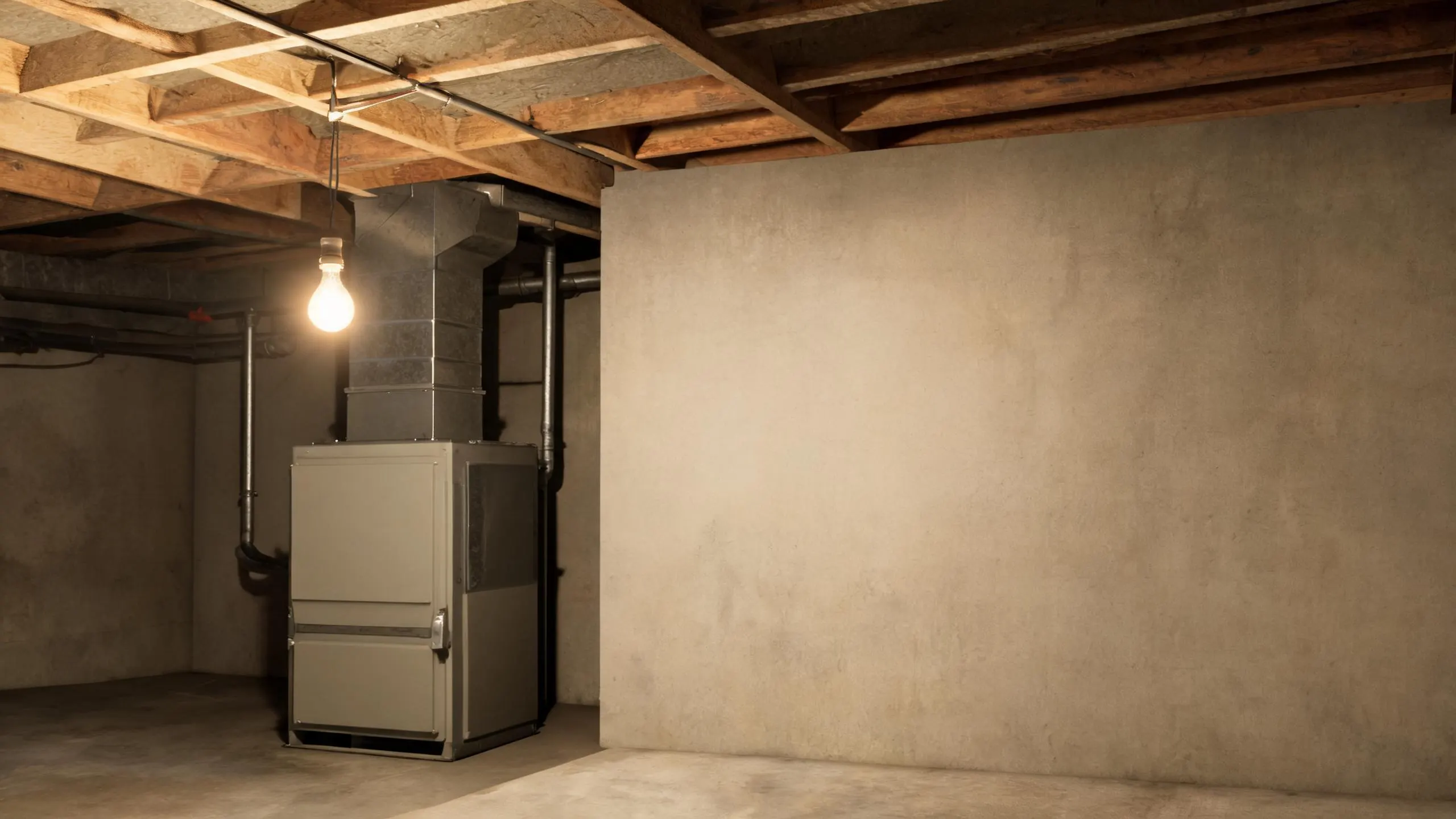
Dover asks a furnace to run seven months of the year
From October through April your furnace is the thing standing between your house and a 28°F night. That's most of the year spent working, not a few cold snaps. A furnace put in now has to be built for that kind of use, not just for the coldest week.
Dover sees its share of winter weather too, with ten winter storms and 120 damaging wind events recorded over the last ten years. Storms here knock out power, and in 2024, 12% of Delaware households lost it for at least a day. Any furnace installed today also has to meet the federal minimum of 80 percent AFUE, so the unit going into your house is already built to waste less gas than older models did.
- 7 months
- October through April, your furnace is on duty
- 28°F
- the average winter night it heats against
- 80% AFUE
- the federal minimum any new unit must meet
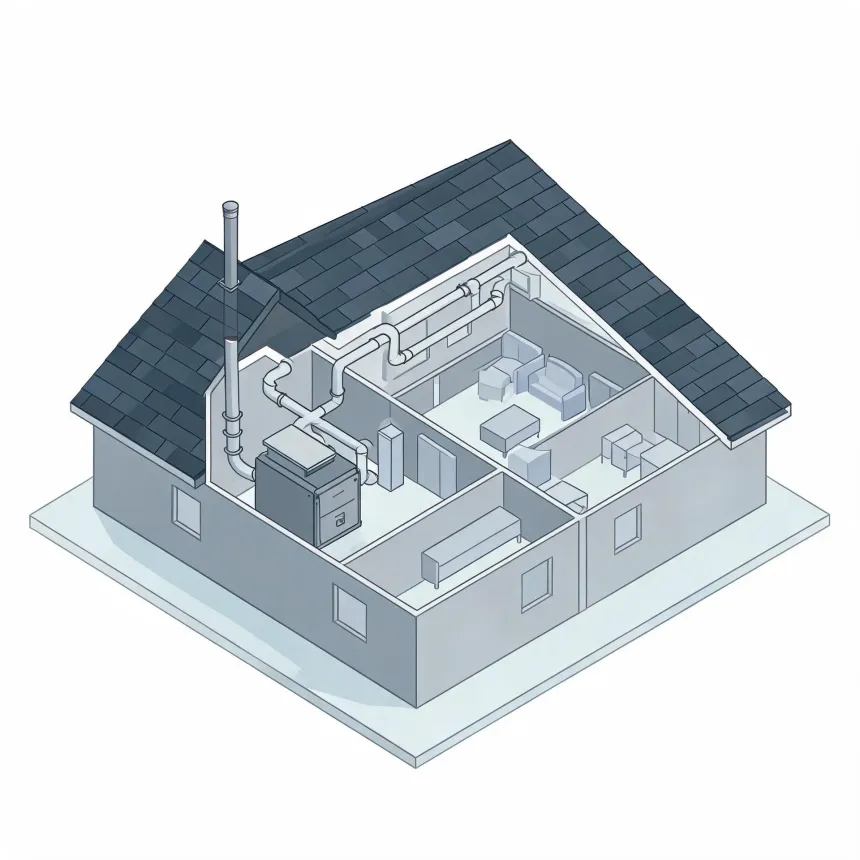
NOAA nClimDiv, 1991–2020 normals

A high-efficiency gas furnace would save about $80 a year to run in Kent County compared with a gas furnace.
Estimates for a typical Kent County home, from EIA household energy data, Delaware fuel prices and NOAA climate normals. Your home will differ.
Delaware requires HVAC contractors to hold a state license.
The license is issued to the contractor, tested and recorded by the state board before that company can take on jobs like this one. It does not get reissued job by job, so what it tells you is that the business doing the work has met the state's standard, not that this particular installation was signed off in advance.
For a furnace install, the license is what stands behind the person doing the work, but the job itself still gets checked separately. In most cities and counties, a furnace replacement needs a permit from the local building office and an inspection once the work is done, which is where the gas connections and venting get looked over by someone other than the installer. In Kent County, 40.6% of homes heat with gas, so that inspection is looking at a real hazard, not a formality tacked onto the job.
Sources: Delaware Code Online · Delaware Division of Professional Regulation
- What size furnace does my house need?
- The right size comes from a load calculation, not the square footage of your house alone. A contractor measures your walls, windows, insulation, and how the rooms are laid out, then runs those numbers to find the heat loss for your specific home. A furnace that is too big cycles on and off too fast and wears out sooner. One that is too small will run nearly nonstop trying to keep up on a 28°F night and still lose ground. Skip anyone who quotes a size over the phone without seeing the house.
- How do I know it's time to replace my furnace?
- Look at how the furnace is running, not just how old it is. Uneven heat between rooms, a furnace that runs longer than it used to, or a gas bill that climbs with no other explanation are all signs it is losing ground. If a repair quote comes in high, that is usually the point where replacing it makes more sense than patching it again. Homes here need heat from October through April, so a furnace that is already struggling in fall is not likely to make it through a full winter.
- Is a high-efficiency furnace worth it?
- It depends on how much you heat and how long you plan to stay in the house. Any furnace built since November 2015 has to reach at least 80 percent AFUE, so even a standard unit today wastes less gas than an older furnace does. A high-efficiency model pulls more heat out of the same amount of fuel, and with 40.6 percent of homes here heating with gas and seven months of heating season, that difference gets used often. A contractor can walk through the actual models and what each one would cost installed for your house.